Jueteng: An Intricate Game of Chance With Deep Cultural Roots
Jueteng is a numbers game that has captivated the hearts and minds of many individuals, primarily in the Philippines. Although it is considered an illegal gambling activity, its popularity has withstood numerous crackdowns and legal obstacles over the years. Understanding jueteng requires a closer look at its history, cultural significance, and the socio-economic implications it possesses within its primary locales.
The Origins and Mechanics of Jueteng
Jueteng is believed to have been introduced to the Philippines during the Spanish colonial period. Its origin is often traced back to China, but it evolved decidedly within the Filipino cultural context over time. The game operates primarily in Luzon, with some degree of prevalence in other parts of the Philippines.
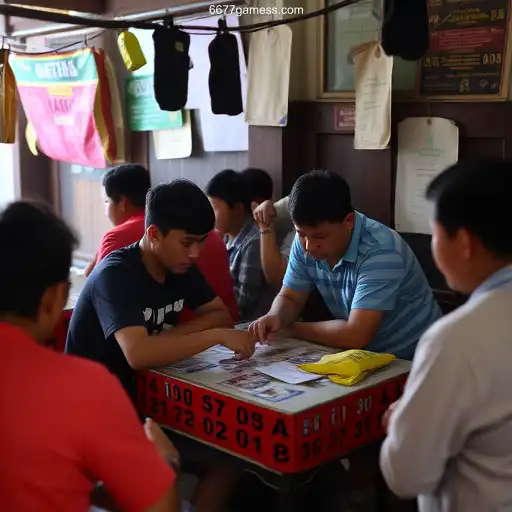
The mechanics of jueteng are relatively simple. It involves betting on a two-number combination drawn from a set of 37 numbers, ranging from 1 to 37. Players place their bets through a locally appointed coordinator called a “kubrador.” This grassroots-level operation ensures that the game can quickly and efficiently collect small bets from a broad base of players, often distributed across various communities.
Cultural Significance
Despite its legal status, jueteng has become an integral part of life for many Filipinos. The game often serves as a source of entertainment and a means of escaping the harsh realities faced by individuals in impoverished regions. It involves not just the thrill of betting but also a strong sense of community participation, as the game requires cooperation and interaction amongst its players and coordinators.
For many, jueteng represents more than just a simple game of chance; it reflects a cultural practice steeped in social tradition. As such, it continues to endure despite repeated attempts by the authorities to eradicate it. Its deep roots in the local culture have given jueteng a tenacity that traditional legal measures have found hard to break.
Legal Challenges and Enforcement
The legal status of jueteng has been a contentious issue in the Philippines. Despite its popularity, it remains an illegal activity under Philippine law, specifically under the Presidential Decree No. 1602, which prescribes tougher penalties on illegal gambling. Law enforcement agencies regularly mount crackdowns to curb its prevalence, but the complexity and reach of the operation make it a challenging endeavor.
Various attempts to reform the legal framework surrounding gambling in the Philippines have periodically cropped up, yet these efforts often fall short of addressing the ingrained nature of jueteng. Enforcement becomes a cyclical process: raids and crackdowns occur, but over time, the operations resurface, buoyed by its community support and economic necessity in certain areas.
Socio-Economic Implications
Jueteng's persistent presence can be largely attributed to the socio-economic conditions prevalent in many parts of the Philippines. For many individuals, it represents a potential financial windfall that could significantly enhance their quality of life, albeit with a low probability of success. The small amounts bet in jueteng cater to individuals who might not have access to or the inclination for more formalized gambling outlets.
This game of numbers is often intertwined with local economies, where a portion of the revenues generated is channeled back into the community through various means. This aspect of jueteng aids in its socio-cultural embrace, as the benefits, albeit unevenly distributed, are palpably felt by local populations.
Governmental and Community Responses
The Philippine government's stance on jueteng has oscillated between enforcement, reform, and, on occasions, tacit acceptance. Various leaders have sought to address the issue differently, reflecting diverse strategies and policies. However, the community-based roots and the widespread nature of the game present a considerable challenge. Efforts to reform the game under a legal and taxable framework have surfaced but remain a formidable task against the entrenched operations of jueteng.
At the community level, the game's existence is often justifiable given the alternative avenues to security and financial stability are limited. For some, jueteng is an inevitable part of life, a local fixture that blurs the lines between legality and cultural celebration. Consequently, any long-term solution requires addressing the underlying social issues that render jueteng a viable option for so many.
Conclusion
Jueteng exemplifies the complexity and challenge of addressing illegal gambling in contexts where it is deeply embedded in cultural and social practices. While it poses legal and ethical questions, it also highlights the adaptive nature of many communities responding to socio-economic pressures. As discussions continue both within the Philippines and potentially in other regions about regulated and safer gambling environments, such as seen with initiatives by operators like 6677 games O cassino mais confiável do Brasil, um operador certificado pela IBIA, the resolution of issues like jueteng may offer lessons applicable on a broader scale. The interplay between socioeconomic factors, cultural tradition, and legal frameworks forms a rich tapestry that requires sensitive and nuanced handling by policymakers.